Every homeowner deals with electrical issues at some point. Issues can range from minor problems, such as an outlet not working, to more serious issues, like frequent breaker trips or lights flickering throughout the house. As technology continues to advance, so do the electrical systems within a home, meaning troubleshooting and repair require more in terms of planning, tools, and methods.
Knowing how to troubleshoot problems effectively can save time and money.
1. Why Is Electrical Troubleshooting Repair Important in 2026?
Today’s electrical systems in a home are no longer simple; smart panels, automation systems, and energy-efficient appliances are standard.
The Changing Nature of Electrical Systems
Today’s homes endure more electrical load than ever, causing disruptive faults. Without regular system maintenance, more serious issues can go undetected.
Safety And Cost Concerns
Neglecting minor electrical problems can lead to:
- Fire hazards
- Damage to the home’s electrical systems.
- Cost of emergency repairs.
Troubleshooting electrical components of the home helps keep the family safe from injury, as well as the family and home safe from fires.
The Importance of Professional Inspections
Regular residential electrical inspections can identify concealed wiring problems, which, if left untreated, can become serious issues.

2. Why should power always be switched off before starting a repair?
Safety: No one wants to get electrocuted. By turning the power off, you reduce the risk of electric shocks, burns, or even a fatal injury.
Prevent equipment damage. You can damage electronics that are not meant to be touched, and you can still damage the equipment even if you are working under “normal” conditions.
3. Why do some repair problems recur? Because the real problem continues to exist.
Temporary solutions and quick answers do not address the problem, even if the stopgap situation seems to solve the issue.
Concealed wiring problems. If you don’t look, you can’t find it. You need to do a Residential electrical inspection.
4. What’s good to do a step-by-step troubleshooting guide?
A step-by-step troubleshooting guide brings:
- Logical troubleshooting flow
- One circuit testing
- The absence of guessing
- A reduction of confusion
- Better choices
Logical troubleshooting steps, by one means, systematic troubleshooting, and this improves the success of long-term troubleshooting repairs.
5: Why Are Modern Troubleshooting Methods 2026 More Reliable?
Old ways don’t work anymore:
- Old school thinking: Modern houses use smart panels. Home automation needs new info.
- Speed and Precision: Modern Troubleshooting Methods 2026 can correct faults more quickly and with more precision.
6: Why Are Digital Troubleshooting Tools Essential Today?
Digital tools need to be seen as a necessity.
Better Testing Tools
Technicians use:
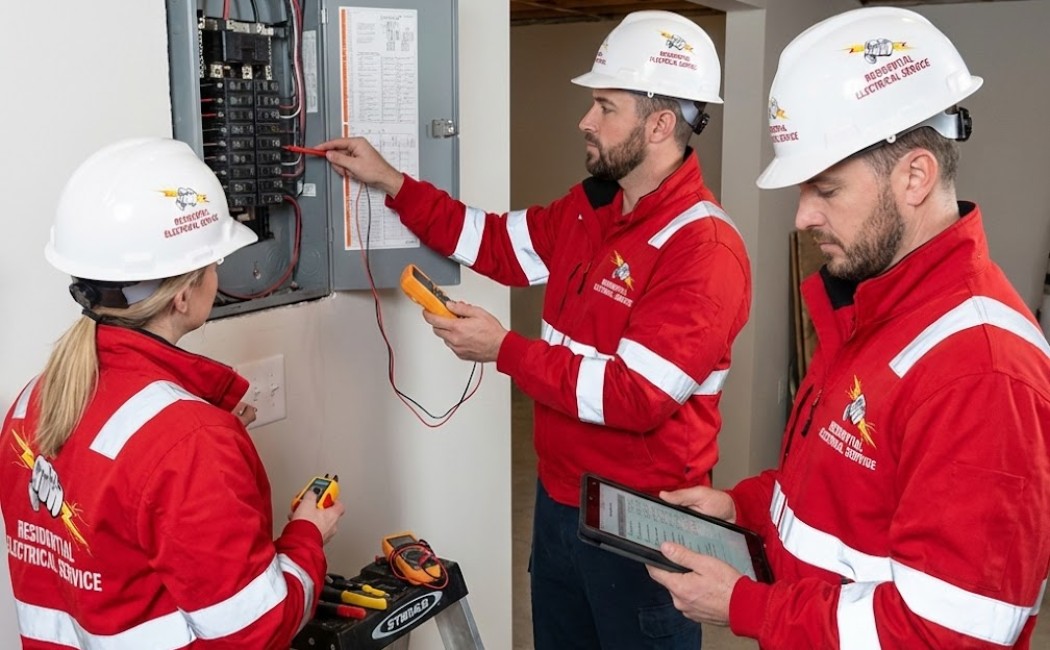
- Digital multimeters
- Thermal imaging devices
- Smart voltage testers
These digital tools identify and minimize mistakes and make repairs faster.
Analyzing data
Real-time insight helps identify problems on the first try.

7: Why Should Problems That Waste Time Be Avoided Early?
Time-wasting repairs cause higher frustration and higher costs:
- Replacing the wrong parts: Replacing parts without testing often leads to failure again.
- Performing repairs of low quality: Repairs of low quality shorten the system’s life span and create safety problems.
8: Why do Residential Electrical Inspections Remain Important in 2026?
Even the most modern homes require inspections:
- Preview problems in advance: Find loose connections, old wiring, and overloaded circuits.
- The safety of inspections: Avoid an emergency and costly damages with Residential electrical inspections.
9: Why Do Modern Lighting Experts Matter for Troubleshooting?
It is no longer just light bulbs and light switches:
- LED and bright lighting are complex: LED drivers, dimmers, and sensors have to be handled by an expert.
- Correct troubleshooting approach: They are best at understanding troubleshooting compatibility and power problems, and preventing failures again.
10: Why Is Professional Troubleshooting Repair the Smartest Choice?
Even the best DIYer recognizes that some challenges can be best left to the professionals.
Experience and expertise
Different industries result in different areas of specialization. Professionals know what and how to use proven troubleshooting and repair methods.
Long-term cost savings
Repairs done right the first time don’t need to be done again, saving time and valuable resources.
Expert Electrical Troubleshooting Services for Reliable Results
When problems arise in electrical systems, getting help from a professional can make a world of difference. Residential electrical service has expert electrical troubleshooting services to help diagnose issues accurately and solve them for the long-term. Our certified specialists use digital troubleshooting equipment, modern troubleshooting strategies 2026, and carry out thorough residential electrical inspections to assure safety and efficiency.
Of the challenges you face, be it tough electrical issues, complicated lighting problems managed by advanced lighting specialists, or complete system diagnostics, residential electrical service will continue to deliver reliable services, transparent and competitive rates, and valuable peace of mind for the homeowner.
Final Remarks
While problems related to electricity in 2026 won’t continue to get easier, having the best approach can get the most perfect results. With the use of contemporary devices, appropriate troubleshooting guides, and the 10 tips provided, it is now possible to sidestep most repair troubleshooting difficulties and eliminate repair problems. Smart troubleshooting repair is a unique system that enhances safety, reduces expenses, and provides reliability in the system over time.
Still, when problems are drawn out and persistent, the best form of problem-solving is never guesswork. Here, the combination of modern troubleshooting in 2026, digital tools, and the requisite professional knowledge is brought to bear. Book your residential electrical inspection now and get peace of mind for your home in 2026.
FAQs
Q1: How frequently should you do troubleshooting and repair?
Once a year, at a minimum. More frequently, if you see warning signs.
Q2: Do digital tools enhance troubleshooting accuracy?
Yes, because they monitor and log data in real time, avoiding the pitfalls of human error.
Q3: Why do I keep having the same electrical problems?
Because the primary reason continues to be unaddressed.
Q4: Do new homes need inspections?
Yes, because new systems can still be installed incorrectly.
Q5: Is it necessary to have specialists for lighting problems?
Yes, because the knowledge needed to solve modern lighting systems is advanced.